
The Importance of Recognizing Warning Signs
A healthy digestive system is key to your cat's quality of life. Digestive issues are common problems that can range from minor discomfort to serious conditions. As an owner, recognizing early signs and understanding the appropriate management steps is crucial.
Gastrointestinal diseases can affect the stomach, small intestine, large intestine, or the entire digestive tract of your cat.
Primary Causes of Digestive Issues
The causes of digestive problems in cats are highly diverse, including:
- Sudden Dietary Changes: Transitioning food too quickly can upset the balance of gut bacteria.
- Food Allergies or Intolerances: Reactions to specific ingredients (e.g., certain proteins or grains).
- Parasites: Worms or protozoa (such as Giardia or Coccidia).
- Ingesting Foreign Objects: Hairballs or other indigestible items.
- Serious Illnesses: Inflammatory Bowel Disease (IBD), hyperthyroidism, kidney disease, or lymphoma (intestinal cancer).
Management and Home Care (Mild Cases)
If your cat is experiencing mild diarrhea or occasional vomiting and still seems active (not lethargic), a few at-home management steps can help:
- Short Fast: To soothe an inflamed intestine, fast the cat from solid food for 12 hours (always provide access to water).
- Bland Diet: After fasting, offer a bland diet in small, frequent portions. Examples: plain boiled chicken without skin and plain white rice (1:2 ratio), or a specialized diet food prescribed by a veterinarian.
- Probiotics: Administer pet-specific probiotic supplements to restore a healthy balance of gut flora.
- Ensure Hydration: It is crucial to make sure your cat drinks enough water to avoid dehydration, especially when vomiting or having diarrhea.
CAUTION: Never administer human over-the-counter (OTC) medications without veterinary approval, as many are toxic to cats!
When to Consult a Veterinarian
Digestive issues in cats can worsen rapidly. Immediately contact your veterinarian if your cat shows any of the following signs:
- Vomiting or Diarrhea Continues for more than 24 hours.
- Severe Lethargy or Weakness (unwillingness to move or unresponsive).
- Vomiting Blood or Bloody/Tarry Black Diarrhea.
- Pale Gums (a sign of severe dehydration or anemia).
- High Fever.
Potential Medical Treatments from the Veterinarian:
- Diagnostic Tests: Blood work, fecal tests, ultrasound, or X-rays to find the exact cause (e.g., foreign body or IBD).
- Fluid Therapy (IV Drip): To manage severe dehydration.
- Anti-Vomiting/Anti-Diarrhea Medication: Drugs to settle the digestive tract.
- Therapeutic Diet Change: Veterinarians often prescribe special prescription diets (Veterinary Diets) designed to support gut health.
With careful monitoring and prompt action, most cat digestive issues can be managed successfully.
Support Better Gut Health Every Day
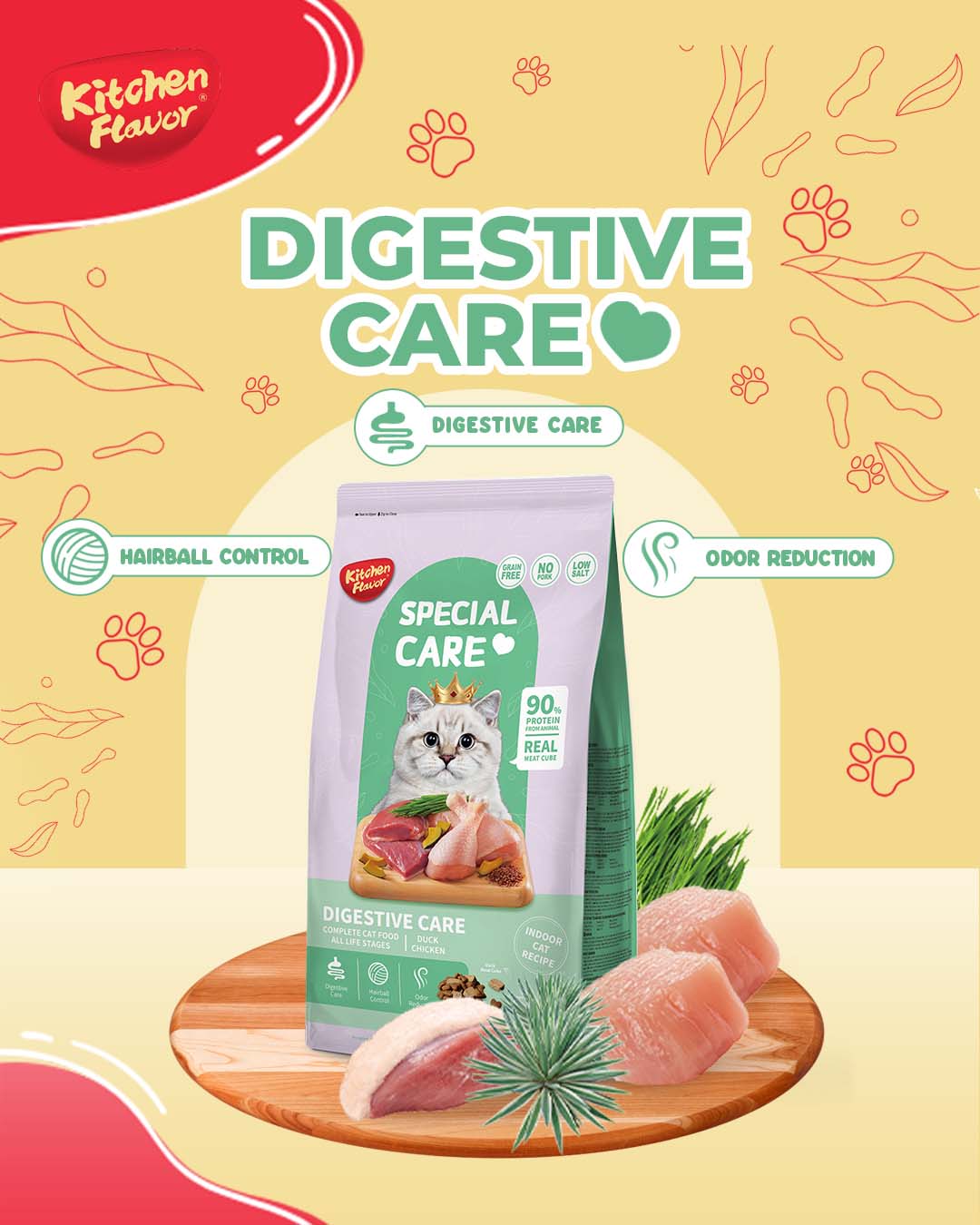
For cats with sensitive digestion or a history of vomiting, diarrhea, or food intolerance, daily nutrition plays a crucial role in long-term recovery and comfort. Choose Kitchen Flavor Digestive Care, carefully formulated with easily digestible ingredients, balanced fiber, and essential nutrients to support a healthier gut, improved stool quality, and overall well-being. You can find it in our official online store or at your trusted local pet shop.
Give your companion the gentle, targeted nutrition they need — and help them feel better from the inside out, one bowl at a time.