The Importance of Recognizing Warning Signs
A healthy digestive system is key to your cat's quality of life. Digestive issues are common problems that can range from minor discomfort to serious conditions. As an owner, recognizing early signs and understanding the appropriate management steps is crucial.
Gastrointestinal diseases can affect the stomach, small intestine, large intestine, or the entire digestive tract of your cat.
Primary Causes of Digestive Issues
The causes of digestive problems in cats are highly diverse, including:
- Sudden Dietary Changes: Transitioning food too quickly can upset the balance of gut bacteria.
- Food Allergies or Intolerances: Reactions to specific ingredients (e.g., certain proteins or grains).
- Parasites: Worms or protozoa (such as Giardia or Coccidia).
- Ingesting Foreign Objects: Hairballs or other indigestible items.
- Serious Illnesses: Inflammatory Bowel Disease (IBD), hyperthyroidism, kidney disease, or lymphoma (intestinal cancer).
Management and Home Care (Mild Cases)
If your cat is experiencing mild diarrhea or occasional vomiting and still seems active (not lethargic), a few at-home management steps can help:
- Short Fast: To soothe an inflamed intestine, fast the cat from solid food for 12 hours (always provide access to water).
- Bland Diet: After fasting, offer a bland diet in small, frequent portions. Examples: plain boiled chicken without skin and plain white rice (1:2 ratio), or a specialized diet food prescribed by a veterinarian.
- Probiotics: Administer pet-specific probiotic supplements to restore a healthy balance of gut flora.
- Ensure Hydration: It is crucial to make sure your cat drinks enough water to avoid dehydration, especially when vomiting or having diarrhea.
CAUTION: Never administer human over-the-counter (OTC) medications without veterinary approval, as many are toxic to cats!
When to Consult a Veterinarian
Digestive issues in cats can worsen rapidly. Immediately contact your veterinarian if your cat shows any of the following signs:
- Vomiting or Diarrhea Continues for more than 24 hours.
- Severe Lethargy or Weakness (unwillingness to move or unresponsive).
- Vomiting Blood or Bloody/Tarry Black Diarrhea.
- Pale Gums (a sign of severe dehydration or anemia).
- High Fever.
Potential Medical Treatments from the Veterinarian:
- Diagnostic Tests: Blood work, fecal tests, ultrasound, or X-rays to find the exact cause (e.g., foreign body or IBD).
- Fluid Therapy (IV Drip): To manage severe dehydration.
- Anti-Vomiting/Anti-Diarrhea Medication: Drugs to settle the digestive tract.
- Therapeutic Diet Change: Veterinarians often prescribe special prescription diets (Veterinary Diets) designed to support gut health.
With careful monitoring and prompt action, most cat digestive issues can be managed successfully.
Support Better Gut Health Every Day
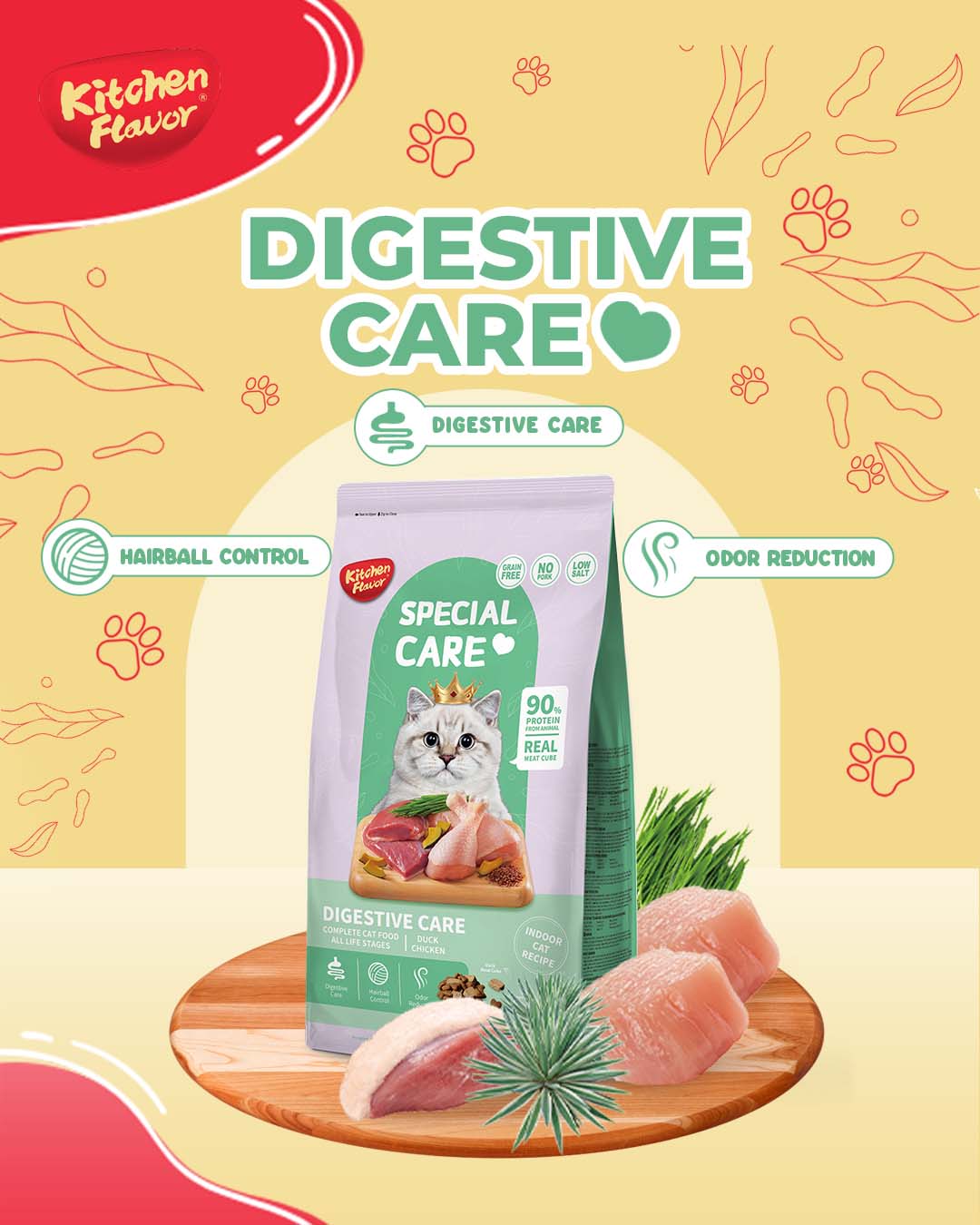
For cats with sensitive digestion or a history of vomiting, diarrhea, or food intolerance, daily nutrition plays a crucial role in long-term recovery and comfort. Choose Kitchen Flavor Digestive Care, carefully formulated with easily digestible ingredients, balanced fiber, and essential nutrients to support a healthier gut, improved stool quality, and overall well-being. You can find it in our official online store or at your trusted local pet shop.
Give your companion the gentle, targeted nutrition they need — and help them feel better from the inside out, one bowl at a time.
Why Your Cat's Immune System is So Crucial
A cat's immune system is a complex network of cells, organs, and proteins that protects them from diseases, bacteria, viruses, and parasites. A strong immunity acts like an invisible shield, ensuring your cat can navigate the world (or at least your home) safely.
When a cat's immunity drops—often due to stress, poor nutrition, or illness—they become vulnerable to common infections like cat flu (FVR/FCV), skin issues, or digestive problems.
Therefore, maintaining immunity is the best form of prevention to ensure long-term health and optimal quality of life for your cat.
Core Pillars to Boost Your Cat's Immunity
Strengthening a cat's immune system requires a holistic approach, encompassing diet, environment, and medical prevention.
1. Complete and Balanced Nutrition
Food is the foundation of strong immunity. Nutritional deficiencies—even minor ones—can weaken the immune response.
- High-Quality Protein: Ensure your cat's food lists animal protein as the main ingredient. Protein provides the essential amino acids needed to build immune cells.
- Omega Fatty Acids: Omega-3 and Omega-6 (found in fish oil) have potent anti-inflammatory properties, helping to reduce chronic inflammation that can suppress immunity.
- Antioxidants: Vitamins E, Vitamin C, and Beta-Carotene (often found in vegetables) protect the body's cells from free radical damage.
2. Stress Management and a Calming Environment
Stress is one of the biggest suppressors of a cat's immunity. When cats are stressed, their bodies produce cortisol hormones, which can inhibit immune function.
- Resource Provision: Ensure each cat has adequate access to its own food bowls, water dishes, litter boxes, and resting areas.
- Enrichment: Provide toys, scratching posts/cat trees, and interactive playtime daily to reduce boredom and anxiety.
- Feliway/Diffusers: Use pheromone diffusers to help create a calmer environment, especially during major changes (e.g., introducing a new pet or moving home).
3. Gut Health through Probiotics
The digestive tract (gut) is home to approximately 70% of a cat's immune cells. Therefore, a healthy gut means strong immunity.
- Probiotics: Giving cat-specific probiotic supplements helps balance the good bacteria (gut flora), which aids in fighting pathogens and strengthening the gut lining.
- Prebiotic Fiber: Soluble fiber (often present in premium foods) feeds the beneficial bacteria in the gut.
4. Vaccination Schedule and Routine Check-ups
Medical prevention is a critical part of programmed immunity.
- Regular Vaccination: Ensure your cat receives core vaccines (like FVRCP and Rabies) according to your veterinarian's recommended schedule. Vaccines teach the immune system to recognize and fight specific diseases.
- Annual Vet Visits: Routine check-ups allow for early detection of health issues (like dental disease or kidney problems) before they severely weaken the immune system.
5. Adequate Sleep and Environmental Hygiene
Just like humans, cats need quality sleep to recover and strengthen their immune response.
- Safe Resting Area: Ensure your cat has a warm, quiet, and safe place to sleep without disturbance.
- Clean Litter Boxes: Regularly maintaining clean litter boxes and feeding areas minimizes exposure to bacteria and parasites, reducing the workload on the immune system.
Conclusion
Immunity is the treasure trove of your cat's health. By providing premium nutrition, minimizing stress, and staying consistent with medical check-ups, you are proactively building the strongest defense for your cherished cat.
Build Strong Immunity from the Inside Out
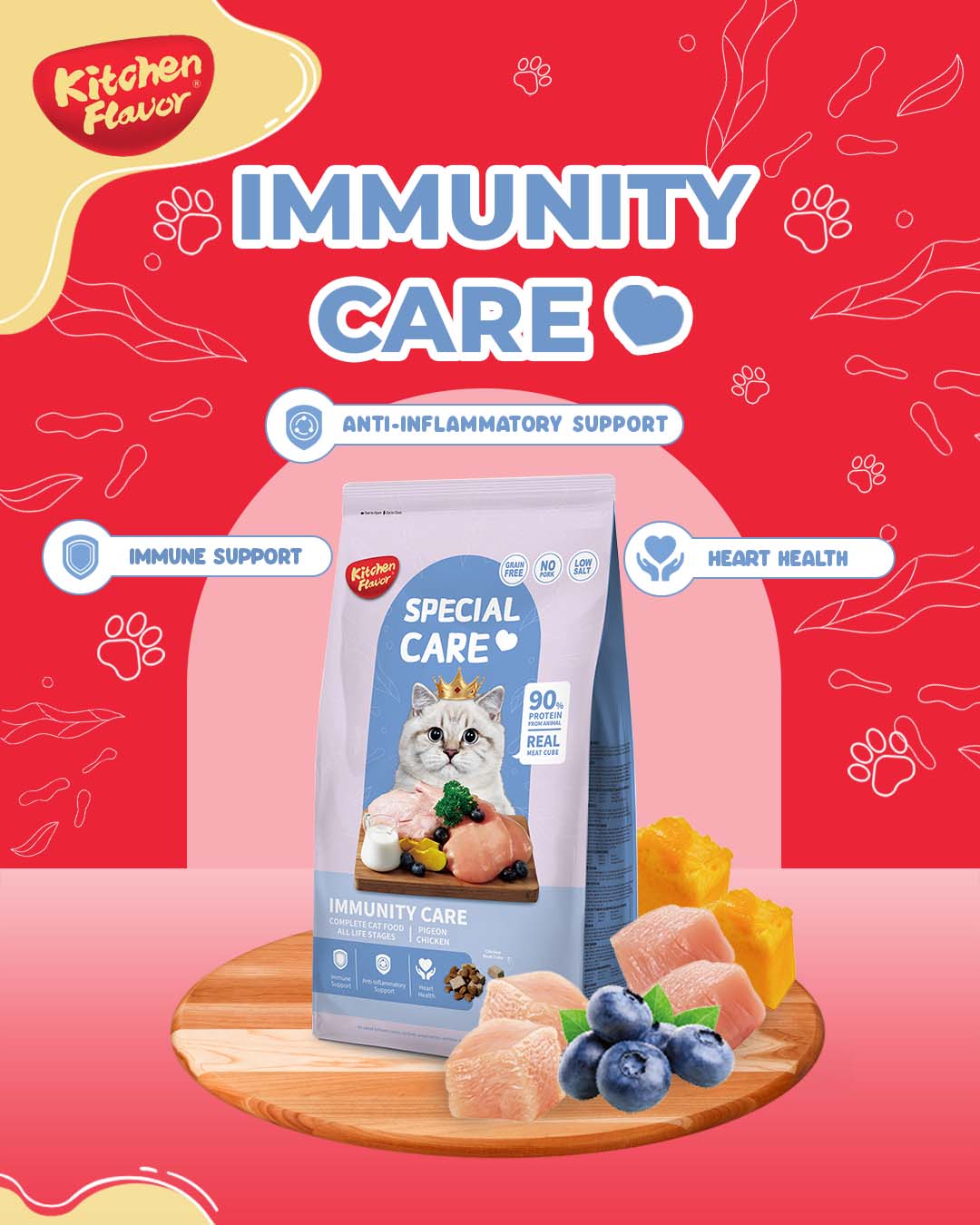
If you want to support your cat’s natural defenses with daily nutrition that works proactively, choose Kitchen Flavor Immunity Care. Formulated with high-quality animal protein, essential fatty acids, and immune-boosting antioxidants, it helps strengthen your cat’s immunity, reduce vulnerability to infections, and support long-term vitality. You can find it in our official online store or at your trusted local pet shop.
Give your feline companion the nourishment that protects them every day — because a strong immune system is the greatest gift you can offer for a healthy, happy life.
In recent years, the grain-free diet trend has become a major topic of discussion among pet owners, especially those with dogs and cats. But is this diet truly important? The answer lies in understanding the natural nutritional needs of our furry companions.
Dogs and cats are genetically carnivores, meaning their digestive systems are naturally designed to process animal protein. While dogs have evolved to digest carbohydrates (including grains) better than cats, an excess of grains (such as corn, wheat, or soy) in their diet can still lead to problems.
Why is Grain-Free Important?
The grain-free concept is not just about avoiding carbohydrates, but about optimizing nutrient sources and reducing potential allergy triggers.
1. Reducing the Risk of Food Allergies and Sensitivities
Grains, especially wheat and corn, are among the most common food allergy triggers in dogs and cats. These allergic reactions can manifest as:
- Chronic itching and skin inflammation.
- Recurrent ear infections.
- Digestive issues (diarrhea or vomiting).
By eliminating grains, a grain-free diet significantly reduces exposure to these common allergens.
2. Easing Digestion (High Digestibility)
As carnivores, the digestive systems of cats (obligate carnivores) and dogs (facultative carnivores) work most efficiently when breaking down protein and fat.
- Grain-Free Food: Typically has a higher content of animal protein and replaces grains with complex carbohydrates that are easier to digest, such as potatoes, sweet potatoes, or certain legumes. This aids in better nutrient absorption.
3. Controlling Blood Sugar and Weight
Grains often have a high glycemic index, which can cause blood sugar spikes. For pets, especially those prone to diabetes or obesity, a grain-free diet can help maintain more stable blood sugar levels by prioritizing slower-digesting carbohydrate sources.
The Role of Kitchen Flavor in the Grain-Free Diet
Choosing a grain-free product must be done wisely. The quality of ingredients and nutritional balance are key. This is where Kitchen Flavor stands out as a reliable choice.
Kitchen Flavor understands the natural dietary needs of dogs and cats and offers a premium grain-free food solution with the following advantages:
- Animal Protein as Priority: Kitchen Flavor's formulation consistently places high-quality animal protein sources as the primary ingredients, supporting strong muscle development and meeting the energy needs of a carnivore.
- Healthy Carbohydrate Replacements: Instead of using cheap grains, Kitchen Flavor utilizes ingredients like sweet potatoes, peas, and other vegetables that provide fiber and energy but are easier to digest and less likely to trigger allergies.
- Balanced Supplemental Nutrition: Kitchen Flavor foods are fortified with Omega fatty acids (for skin and coat health) and other essential vitamins and minerals, ensuring your pet is not only free from grains but also receiving complete and balanced nutrition.
Conclusion
Providing a grain-free food like Kitchen Flavor is a long-term investment in your pet's health. It is a way to respect their natural genetics and provide the most efficient nutrition, allowing them to live healthier, more active lives, free from digestive or allergic issues caused by grains.
Choose a Better Bowl for a Healthier Life
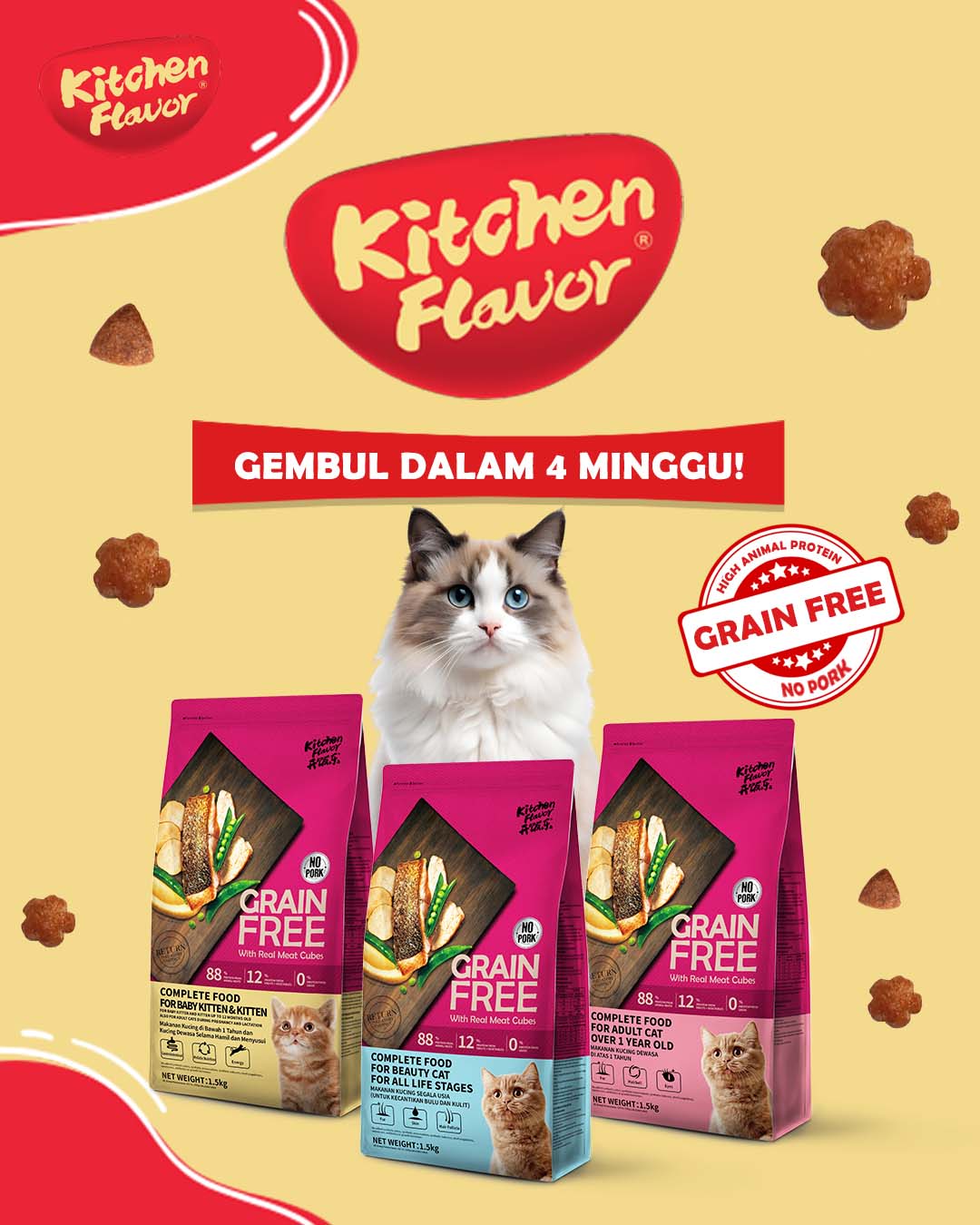
If you’re ready to support your pet’s natural dietary needs with balanced, grain-free nutrition, choose Kitchen Flavor Grainfree series. Formulated with high-quality animal proteins and digestible, allergy-friendly ingredients, it’s designed to help your pet thrive with stronger digestion, healthier skin, and more stable energy. You can get it easily from our official online store or your trusted local pet shop.
Give your pet the nourishment they are built for — and watch them live healthier, happier, and more confident with every bowl.


As pets age, their nutritional needs change. Senior formulas are designed to support everything from joint health to cognitive function—but knowing when and how to make the switch is key.
What Counts as a Senior Pet?
Small dogs and cats are usually considered seniors around age 7. For larger dog breeds, it’s closer to 5 or 6 years old due to their faster aging process. Even if your pet seems youthful, their metabolism is already slowing down.
Why Switch to Senior Pet Food?
Senior formulas often include fewer calories, more fiber, and targeted nutrients like glucosamine, chondroitin, antioxidants, and Omega-3s. These support joint health, digestion, immune function, and cognitive clarity.
Signs It’s Time to Switch
If your pet is gaining weight, slowing down, or experiencing digestive trouble, it may be time for a diet change. Bloodwork from annual vet visits may also reveal early signs of aging that require nutritional support.
Transitioning Gradually
Always switch foods over a 7–10 day period to prevent stomach upset. Start with a small portion of senior food mixed with their usual meal, increasing the ratio gradually.
Choose Quality Over Marketing
Not all “senior” pet foods are created equal. Read labels and choose foods with whole ingredients, no artificial additives, and formulas that have been vet-reviewed or clinically tested.
Don’t Forget About Hydration
Older pets may not drink enough, increasing the risk of kidney or urinary issues. Consider adding wet food or broth to meals to boost moisture intake.
Conclusion
Switching to senior pet food isn’t just about age—it’s about readiness. With the right timing and formula, you can help your older pet stay active, comfortable, and mentally sharp well into their golden years.
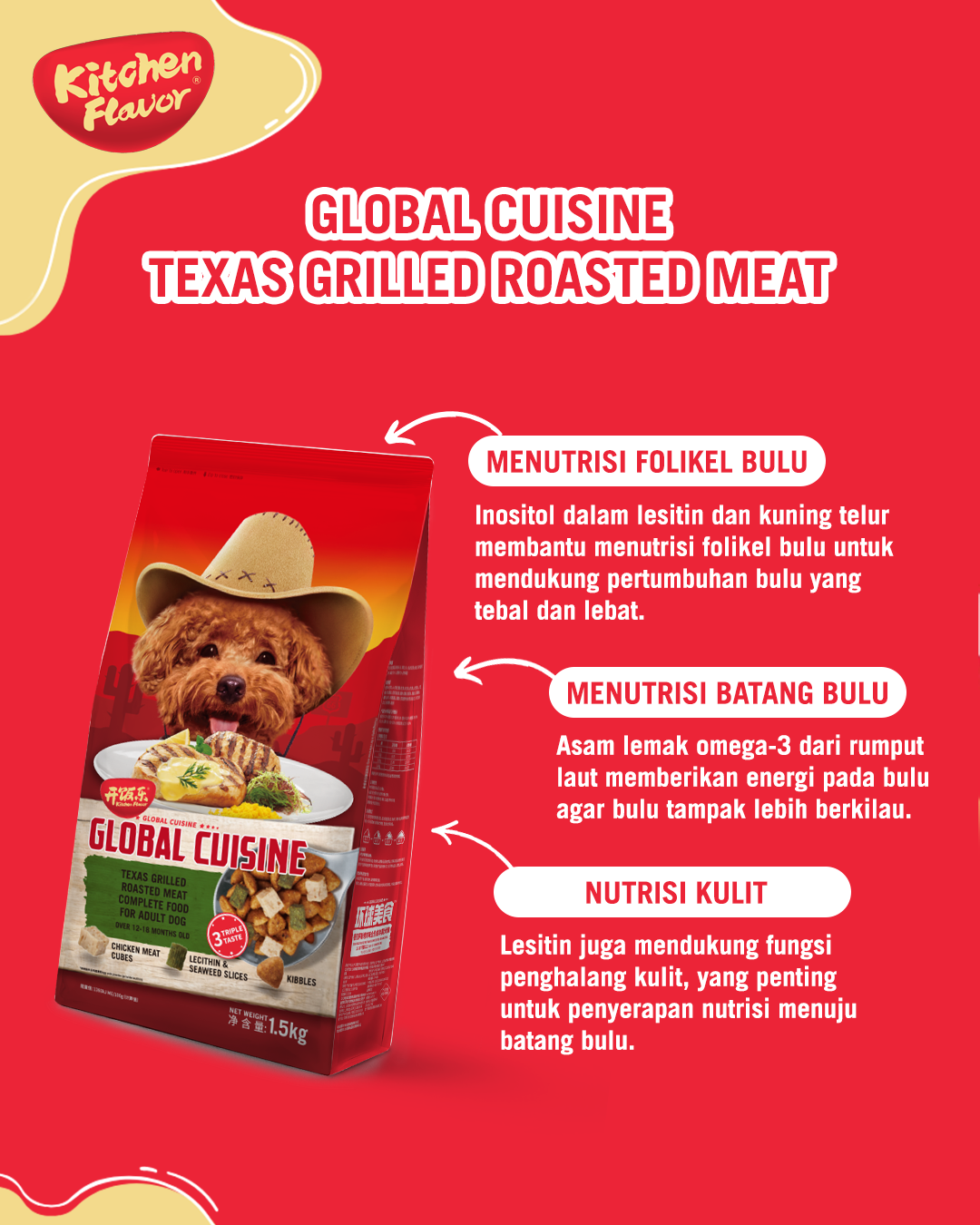
As a pet owner, providing the best food is one way to maintain your pet's ideal weight in their senior years. Kitchen Flavor Global Cuisine is formulated with ingredients designed to be highly palatable, preventing senior dogs from becoming picky eaters. You can find Kitchen Flavor Global Cuisine on the official e-commerce platform Kitchen Flavor Indonesia.
Is your dog often gassy, bloated, or suffering from loose stools? These may be signs of a sensitive stomach. While many pups enjoy eating just about anything, others require a more cautious approach to their diet.
Recognizing the Signs
Common symptoms of a sensitive stomach include frequent vomiting, diarrhea, flatulence, and signs of discomfort after eating. Some dogs may also show food aversions, lethargy, or skin issues.
Ingredients That Commonly Cause Trouble
Wheat, corn, soy, and dairy are often problematic for dogs with digestive sensitivities. Artificial preservatives, colors, and meat by-products can also lead to upset. Instead, look for foods with whole, limited ingredients and no unnecessary additives.
Switching to Gentle Proteins
Sometimes, a certain protein source can trigger issues. If your dog eats a lot of chicken, try switching to more novel proteins like salmon, duck, or venison. These are often easier to digest and less likely to cause allergic reactions.
Choosing Easily Digestible Carbohydrates
Stick with simple carbs like white rice, pumpkin, or sweet potatoes. These are easy on the digestive system and offer extra fiber, which can help regulate bowel movements.
The Role of Probiotics and Prebiotics
Foods fortified with probiotics or prebiotics can help balance your dog’s gut flora. A healthy gut often leads to fewer tummy problems and a stronger immune system.
Slow Food Transitions Are Key
If you’re switching foods, always do it gradually over 7–10 days. Abrupt changes can shock your dog’s digestive system, even if the new food is technically "better."
Conclusion
Feeding a dog with a sensitive stomach requires patience and careful observation. Avoid common triggers, feed simple whole ingredients, and introduce changes slowly. Your dog’s digestive system—and your cleanup routine—will thank you!
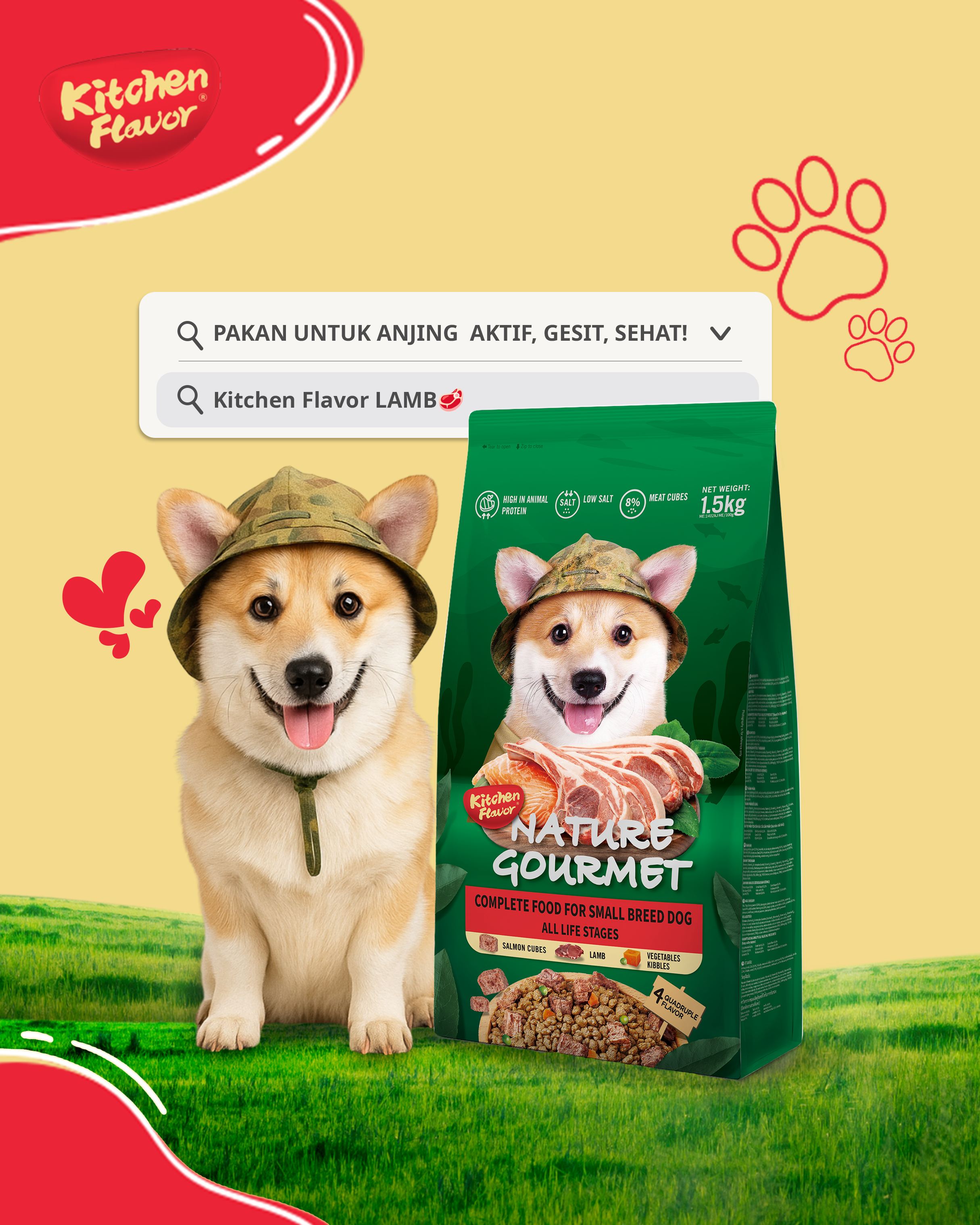
As a pet owner, providing the best food is one way to maintain your pet's ideal weight. Kitchen Flavor Lamb for Small Breed Dog is formulated with goat meat to ensure your pet's nutritional needs and sensitive digestive health. You can find Kitchen Flavor Lamb for Small Breed Dog on the official e-commerce platform Kitchen Flavor Indonesia.
When it comes to pet nutrition, fiber doesn’t get the attention it deserves. Often seen as filler, fiber actually plays a key role in your pet’s digestive system—and overall health.
What Is Dietary Fiber?
Fiber is a plant-based carbohydrate that resists digestion. There are two types: soluble (which dissolves in water) and insoluble (which doesn’t). Both are important for maintaining gut health and regularity.
Supports Healthy Digestion
Fiber adds bulk to stool and promotes regular bowel movements. It can help reduce diarrhea, constipation, and gas—especially in pets with sensitive stomachs or digestive disorders.
Weight Management and Satiety
Fiber helps pets feel full without adding extra calories. For overweight dogs and cats, fiber-rich diets can help reduce begging, control portions, and support gradual weight loss.
Balances Blood Sugar Levels
Soluble fiber helps slow the absorption of sugar in the bloodstream. This makes it especially helpful for diabetic pets or those at risk of developing insulin resistance.
Prebiotic Benefits for Gut Flora
Certain types of fiber act as prebiotics—feeding the healthy bacteria in your pet’s gut. This improves nutrient absorption, immune function, and even mood regulation in some cases.
Good Sources of Fiber
Look for ingredients like pumpkin, sweet potato, beet pulp, oats, or flaxseed in your pet’s food. Avoid artificial bulking agents and choose recipes with a balanced fiber content (generally 2–5%).
Conclusion
Far from just a filler, fiber is a nutritional hero—especially for pets with tummy troubles or weight issues. A diet that includes natural, high-quality fiber keeps your pet regular, comfortable, and satisfied.
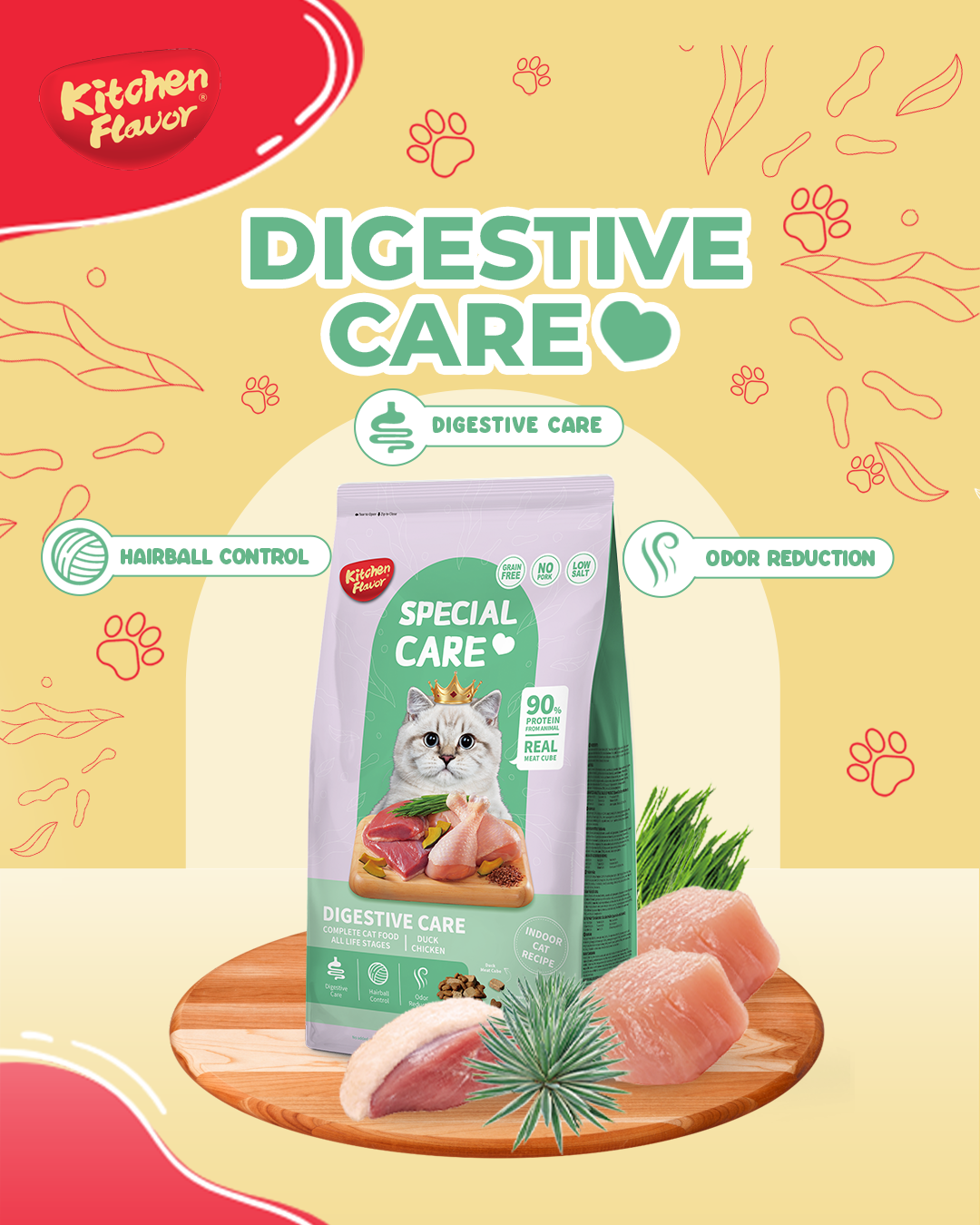
As a pet owner, providing the best food is one way to maintain your pet's ideal weight. The latest Kitchen Flavor Digestive Care is enriched with yucca, barley grass, and fresh duck meat to maintain your pet's nutrition and digestive health. You can find Kitchen Flavor Digestive Cat for Indoor Cats on the official e-commerce platform Kitchen Flavor Indonesia.
The first year of a puppy or kitten’s life is a period of rapid growth and development. From building strong bones to supporting brain development, nutrition plays a crucial role in laying the foundation for lifelong health.
Why Growth-Stage Nutrition Matters
Puppies and kittens need more protein, fat, and calories per pound than adult pets. They’re growing quickly and developing vital organs, muscles, and immune systems. Feeding them a formula designed for their life stage is essential.
Key Nutrients for Puppies and Kittens
Protein helps build muscles, while DHA (a form of Omega-3) supports brain and vision development. Calcium and phosphorus are critical for bones and teeth. Look for foods labeled “complete and balanced” for growth by AAFCO standards.
Feeding Frequency by Age
Young puppies and kittens (under 12 weeks) need 3–4 small meals per day. By 6 months, you can usually shift to 2 meals daily. Consistent feeding routines support digestion and reduce the risk of overeating or underfeeding.
Avoid These Common Mistakes
Never feed raw bones, cow’s milk, or adult dog/cat food. These can cause digestive upset or nutritional imbalances. Homemade food should only be used under professional guidance—growth stages are too sensitive for guesswork.
Wet vs. Dry Food for Young Pets
Wet food is easier to chew and offers hydration, while dry kibble can help with teething and dental health. Many owners choose to feed both, or transition over time as their pet grows.
When to Switch to Adult Food
Most puppies and kittens are ready for adult food between 10–12 months, depending on breed size. Large breeds may stay on growth formulas longer to support slower, healthier bone development.
Conclusion
Feeding puppies and kittens properly sets the stage for a lifetime of good health. Choose the right formula, stick to a feeding schedule, and monitor their growth closely. The right start makes all the difference.
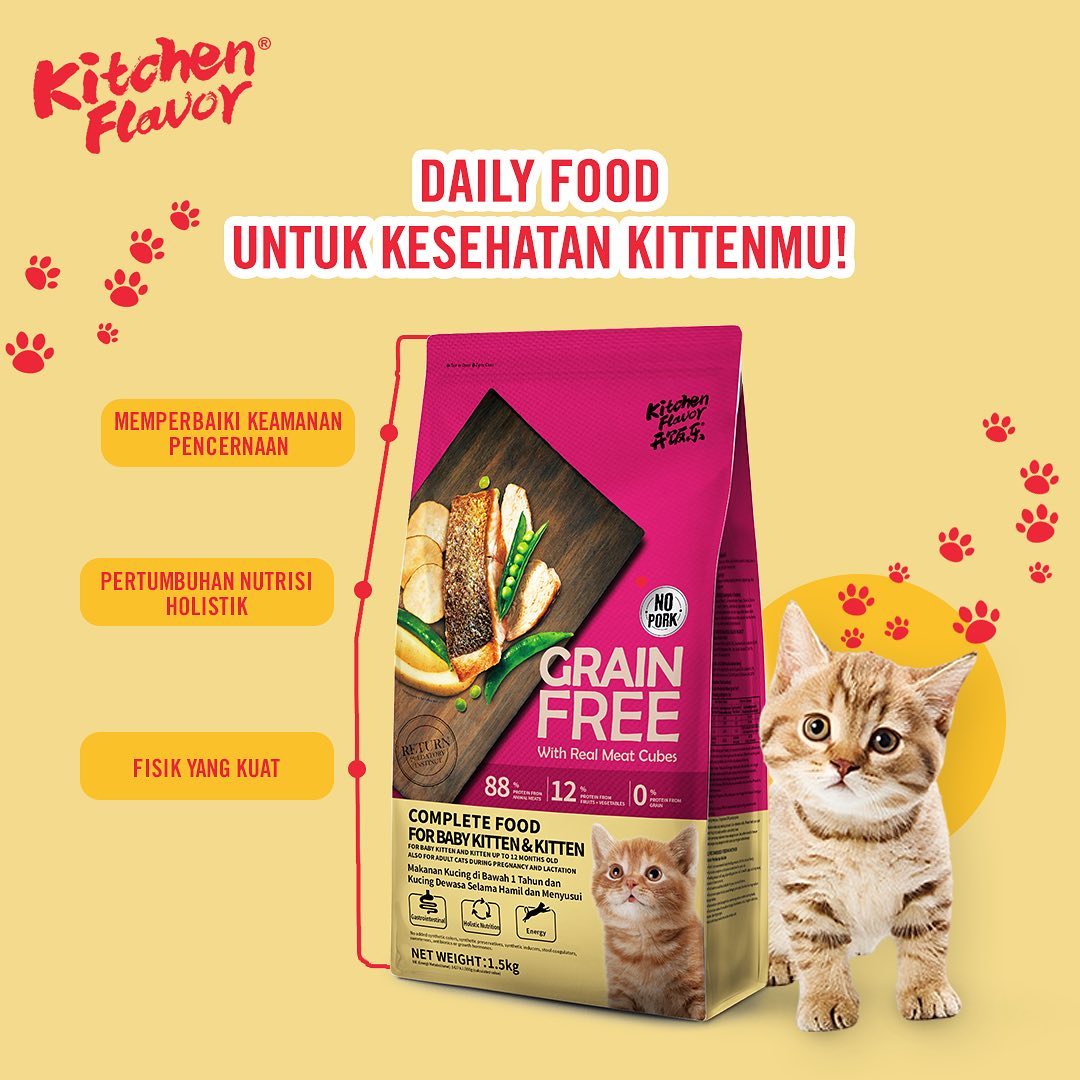
Kitchen Flavor has divided its daily food categories based on the age of cats and dogs. Formulas and dosages tailored to each cat's and dog's age will optimize nutrient absorption. Kitchen Flavor Grain-Free Kitten and Kitchen Flavor Nature Gourmet Baby and Puppy are available at the official Kitchen Flavor Indonesia store and your favorite pet shop!
Omega-3 fatty acids are well known in human nutrition—but did you know they’re just as essential for your pets? Whether you have a dog with itchy skin or a senior cat with stiff joints, Omega-3 can play a major role in keeping them healthy and comfortable.
What Is Omega-3 and Where Does It Come From?
Omega-3 is a type of essential fatty acid that pets can’t produce on their own. It must come from their diet. The most beneficial types—EPA and DHA—are found in fish oil, krill oil, and marine algae. ALA, a less powerful form, comes from flaxseeds and other plants.
Supports Skin and Coat Health
Omega-3 is a natural anti-inflammatory. It helps reduce skin irritation, flakiness, and shedding. Pets with allergies or dry skin often see major improvements in coat softness and shine after regular supplementation.
Joint and Mobility Benefits
Senior pets or those with arthritis benefit greatly from Omega-3. It helps reduce joint inflammation and supports mobility and comfort without the need for harsh medications.
Boosts Heart and Brain Health
Omega-3 supports cardiovascular function and may help prevent arrhythmias and high blood pressure. In puppies and kittens, it supports brain development and learning ability. For older pets, it may help slow cognitive decline.
Strengthens the Immune System
A well-balanced Omega-3 level helps regulate immune responses, making pets less reactive to allergens and more resistant to illness. It’s also beneficial for pets recovering from injury or surgery.
How to Add Omega-3 to Your Pet’s Diet
Omega-3 supplements come in liquid, capsule, or chewable form. Choose high-quality, vet-approved products made from purified fish oil or marine sources. Always check dosage based on weight and consult your vet first—too much can cause side effects.
Conclusion
Omega-3 is a small addition with big results. Whether you're addressing skin issues, joint pain, or general aging, it’s one of the most beneficial nutrients you can give your pet. Just make sure you're using the right source and dose for their size and needs.
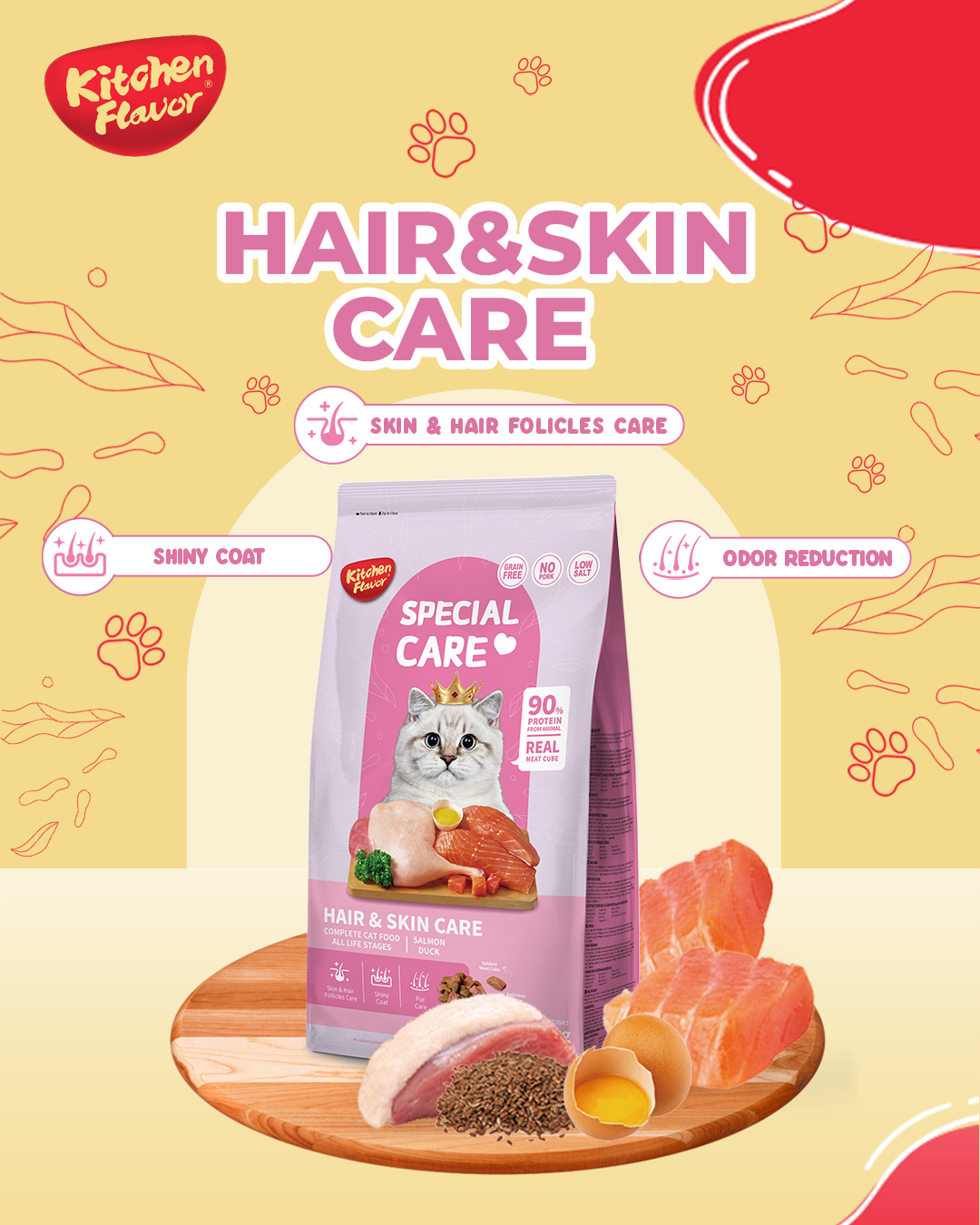
Kitchen Flavor Hair & Skin Care for cats now contains omega-3s to support your pet's health. You can get Kitchen Flavor Hair & Skin Care dry food at the official Kitchen Flavor Indonesia online store or at your favorite pet shop!
With growing concern over commercial pet food ingredients, many pet parents are turning to homemade meals. The idea of preparing fresh, wholesome food for your furry companion is appealing—but is it actually better or safer?
Why Some Pet Owners Go Homemade?
Concerns about food recalls, artificial additives, or allergies drive many owners to DIY pet food. Homemade meals offer full ingredient control, making them a great option for pets with sensitivities or specific dietary needs.
Potential Health Benefits
If done right, homemade food can be fresher and more digestible, with fewer preservatives and fillers. You can customize protein sources, avoid allergens, and even incorporate whole-food supplements like fish oil or probiotics.
But Here’s the Catch!
Most homemade pet meals lack proper balance. Dogs and cats require precise levels of protein, fat, calcium, phosphorus, vitamins, and trace minerals. Without professional guidance, it’s easy to under- or over-supplement—leading to serious health issues over time.
The Risk of Nutritional Deficiency
Studies show that many home-cooked pet recipes (even those found online) fall short on essential nutrients. For example, calcium and vitamin D are commonly missing. Improper ratios can result in bone deformities, poor organ function, or immune issues.
How to Do It Safely
If you're committed to homemade feeding, work with a veterinary nutritionist to create a complete and balanced recipe. They can help you calculate exact ingredient portions, recommend supplements, and adjust formulas for age, size, and activity level.
Homemade Doesn’t Always Mean Better
Remember, quality commercial foods—especially premium, vet-approved brands—are carefully formulated to meet nutritional standards. These offer convenience, consistency, and assurance of safety testing, which DIY meals can lack.
Conclusion
Homemade pet food can be a great solution for specific health needs, but it’s not automatically better or safer than store-bought options. It requires research, commitment, and guidance from a veterinary expert to ensure your pet stays healthy and balanced.
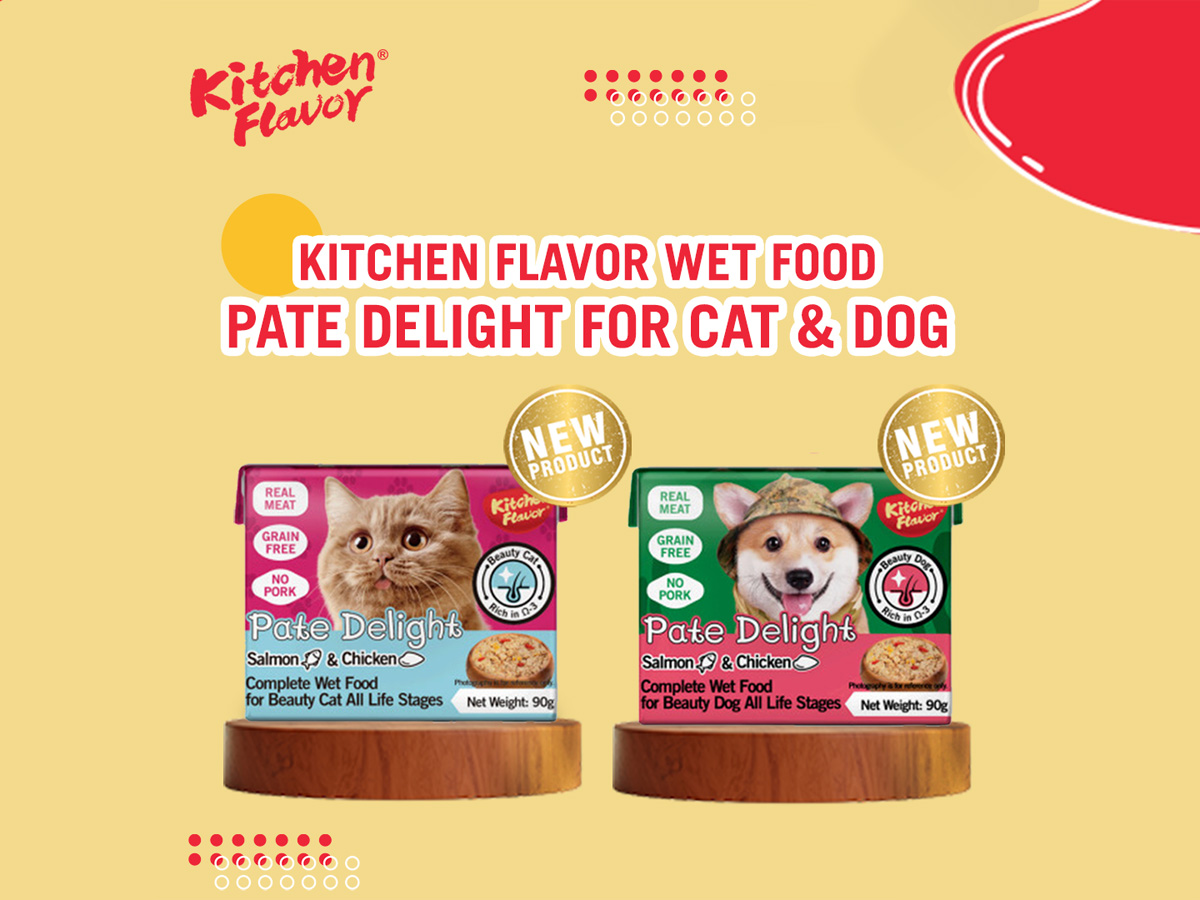
Now pet owners don't need to worry anymore because Kitchen Flavor has Pate Delight wet food. This paste-textured wet food is made from 90% real meat and 10% meat broth. It's great for hydrating your pet and boosting their appetite. Kitchen Flavor Pate Delight is your pet's favorite wet food, soft, delicious, and mouth-watering.
You can get Kitchen Flavor wet food at the official Kitchen Flavor Indonesia online store or your favorite pet shop!

If brushing your pet’s teeth feels like a challenge, you’re not alone — and that’s where dental chews, toys, and treats come in. These products promise cleaner teeth and fresher breath… but do they actually work?
The short answer: Yes — when used correctly and as part of a regular dental care routine. Dental chews and toys are designed to help scrape away plaque and stimulate the gums, much like chewing a crunchy apple helps clean human teeth. Plus, many are infused with enzymes or ingredients that target bacteria.
For dogs, look for chews that carry the VOHC (Veterinary Oral Health Council) seal — this means they’ve been tested and shown to reduce plaque or tartar. Rawhide alternatives, rubber toys with ridges, and dental sticks can be both fun and functional. Cats can also benefit from dental treats, though they’re often less motivated to chew. Instead, try dental gels or water additives as an alternative.
While helpful, these products don’t replace brushing or professional dental cleanings. Think of them as support tools — great for in-between brushings, or for pets who resist having their teeth touched.
Tips for Choosing & Using Dental Chews:
Always pick size-appropriate chews and supervise chewing time.
Avoid ultra-hard items like antlers or bones that can break teeth.
Look for VOHC-approved products for safety and effectiveness.
Rotate toys to keep your pet engaged and prevent boredom.
Combine with regular brushing and vet checkups for best results.
Conclusion: Treats That Do More Than Taste Good
Dental chews, toys, and treats are more than just snacks — they’re part of a smart, proactive oral care routine. When combined with brushing and professional cleanings, they can help your pet maintain healthy teeth, fresh breath, and a happy smile.
Dental health and gum health can also be supported by feeding good, high-quality kibble — like the crunchy kibbles of Kitchen Flavor Dry Food. They help clean your pet’s teeth while chewing and melt easily in the mouth for a satisfying texture. 🐾 Available now at our official store and pet shops across Indonesia.
The idea of feeding pets raw meat, bones, and vegetables has grown in popularity—but is it truly better than traditional pet food? Raw food diets are rooted in the belief that animals thrive on unprocessed, biologically appropriate meals. But as with any trend, it’s important to look at the full picture.
What Is a Raw Food Diet for Pets?
A raw diet typically includes uncooked meats, organs, bones, fruits, and vegetables. Some owners prepare meals at home (DIY raw), while others choose pre-packaged raw food from trusted brands. The idea is to mimic what a dog or cat might eat in the wild.
Potential Benefits of Raw Diets
Supporters claim raw diets lead to shinier coats, healthier skin, better digestion, and more energy. Many also report smaller, less smelly stools and fewer allergy symptoms. The high moisture content can be especially helpful for cats who don’t drink enough water.
The Risks Involved
Feeding raw isn’t without concerns. Raw meat may carry harmful bacteria like Salmonella or E. coli, which can endanger both pets and humans. There’s also the risk of nutritional imbalances if the diet isn’t carefully planned. Homemade raw food must be supplemented correctly to meet all of a pet’s dietary needs.
Is It Right for Every Pet?
Not necessarily. Puppies, seniors, and immunocompromised pets may not tolerate raw food well. Some breeds thrive, while others develop digestive issues. Before switching, it's crucial to consult your vet or a veterinary nutritionist who can help you design a safe plan.
What Do Vets Say?
Opinions vary. Some vets strongly oppose raw feeding due to safety concerns, while others support it under professional guidance. Most agree that raw diets can work if done properly—but many homemade versions are poorly balanced.
Alternatives to DIY Raw Feeding
If you're drawn to raw feeding but nervous about doing it yourself, look into commercial raw diets or lightly cooked alternatives. Brands offering pre-made raw meals often follow strict food safety standards and complete nutrition formulas.
Conclusion
Raw diets can offer health benefits—but they also come with risks. The key is education, preparation, and professional input. For pet owners willing to do it right, raw food can be a viable option. But it’s not a magic fix, and it isn’t the best fit for every furry friend.
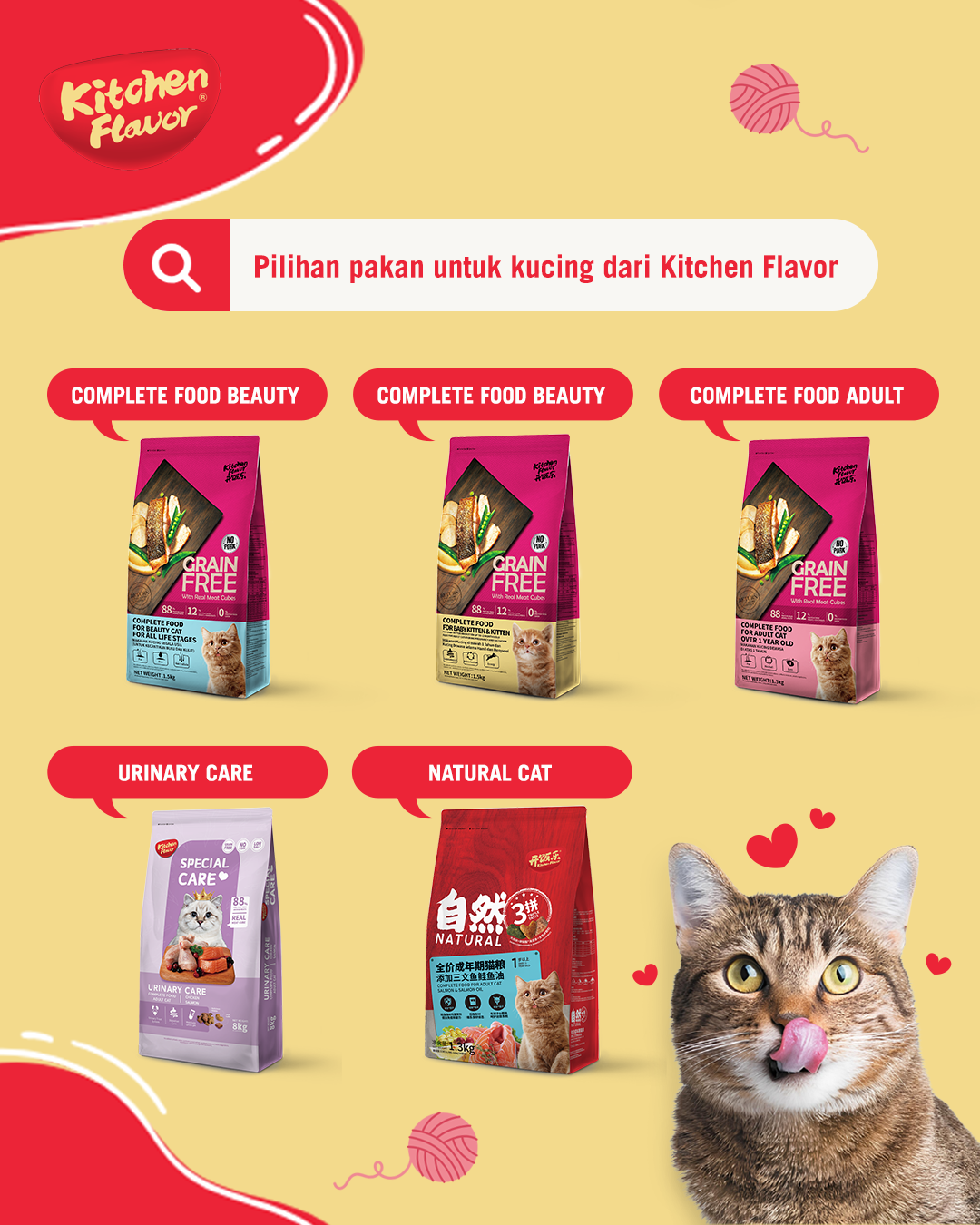
For a safe, balanced alternative, try the Kitchen Flavor Grain Free Series for Cats, available in three carefully formulated variants: Kitten, Adult, and All Life Stages — each tailored to meet the specific nutritional needs of cats. 🐾 Available now at the Kitchen Flavor Official Store and pet shops across Indonesia.
If your pet has a sensitive stomach, mealtimes can turn into a daily guessing game. The right food can make all the difference — calming their digestion, reducing discomfort, and improving their overall well-being.
Pets with sensitive stomachs often react poorly to low-quality fillers, artificial additives, or sudden diet changes. For both dogs and cats, it’s best to feed them easily digestible, high-quality protein sources like chicken, turkey, lamb, or salmon. Avoid proteins that are heavily processed or mixed with artificial flavors.
Look for pet food labeled as “limited ingredient” or “sensitive stomach.” These typically contain fewer ingredients, which can help identify and reduce potential irritants. Ingredients like pumpkin, sweet potato, and rice are gentle on the digestive tract and provide natural fiber that helps firm up stools.
Cats benefit from moisture-rich diets (like wet food or raw food) since they’re less inclined to drink water. Dogs may do well on specialized kibble that includes probiotics and prebiotics for gut balance. Whatever the food, make sure any changes happen gradually over 7–10 days to avoid shock to the system.
Tips for Feeding a Sensitive Pet:
Introduce new food slowly by mixing it with the old one over several days.
Avoid giving table scraps, dairy, or fatty human foods.
Stick to a regular feeding schedule — irregular meals can cause upset.
Try single-protein diets to isolate allergy triggers.
Always provide access to fresh water to support digestion.
Conclusion: Gentle Food, Happy Belly
Finding the right food for a sensitive-stomached dog or cat may take a little trial and error, but the payoff is worth it. A calm gut leads to a calmer, more comfortable pet. Stick with gentle, consistent nutrition and you’ll both feel the difference at mealtime and beyond.
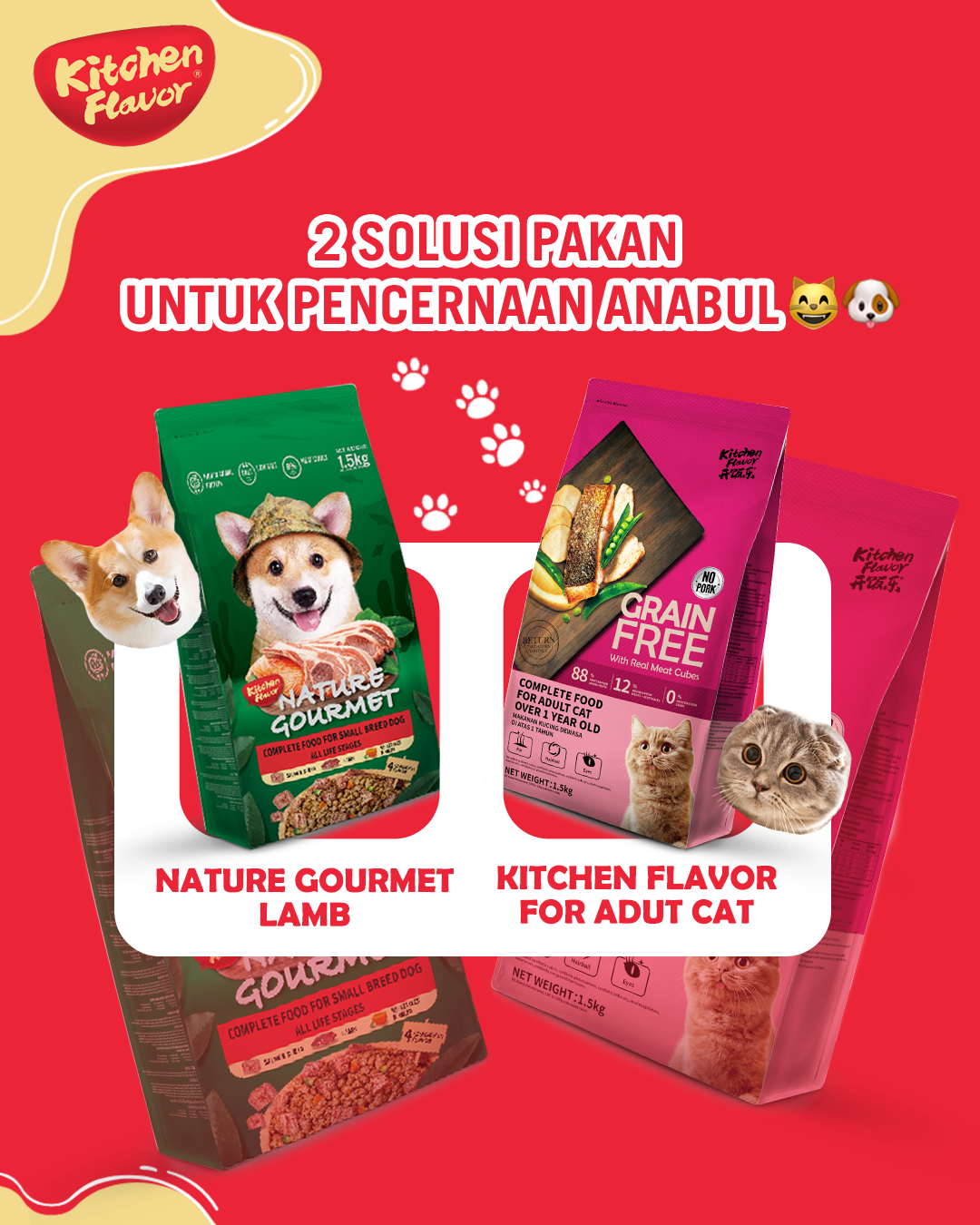
For cats, try Kitchen Flavor Grain Free for Adult Cat, enriched with alfalfa root to help control hairballs and support healthy digestion. 🐾 Available now at the Kitchen Flavor Official Store and pet shops across Indonesia — a wholesome choice for a happy tummy and a healthier coat.
Protein is a powerhouse nutrient—and many pet foods proudly advertise high-protein formulas. But is more always better? While protein is essential for your pet’s health, the amount and source of protein matter more than the buzz on the label.
Why Pets Need Protein
Protein plays a vital role in muscle development, tissue repair, immune function, and energy. Dogs and cats are natural carnivores, so protein is a key part of their diet. But just like humans, pets need a balanced intake—too little can lead to weakness, while too much might not always be beneficial.
Benefits of a High-Protein Diet
Pets with active lifestyles—such as working dogs, sporting breeds, or highly energetic cats—may thrive on high-protein diets. These foods help maintain lean muscle mass, promote faster recovery after exercise, and may keep pets feeling fuller between meals.
When High-Protein Isn't the Best Fit
For senior pets or those with kidney issues, excess protein can put stress on the kidneys or worsen existing health conditions. Additionally, some overweight or less-active pets may not need as much protein and may benefit more from a balanced, calorie-controlled diet.
Quality Over Quantity
Not all proteins are created equal. Look for real meat (like chicken, turkey, or fish) listed as the first ingredient—rather than vague terms like “meat meal” or “animal by-products.” Plant-based proteins (like peas or soy) are often added to cut costs but may not offer the same amino acid profile pets need.
How Much Protein Is Too Much?
There’s no universal answer. For dogs, the minimum recommended by AAFCO is 18% (adult) to 22% (puppy) crude protein. Cats require more—around 26–30%. High-protein diets often exceed 30–40%, which can be fine if your pet is healthy and active. But always check with your vet, especially for pets with pre-existing conditions.
Understanding the Labels
Pet food labels can be confusing. “High-protein” isn’t a regulated claim—so compare actual percentages and ingredient sources. Don't be swayed by marketing; look for transparency and proven nutrition.
Conclusion
High-protein pet food can offer real benefits, especially for young, active, or athletic pets. But it's not ideal for every animal. The key is balance, ingredient quality, and matching your pet’s individual health needs and lifestyle.
That’s why choosing the right formula matters. Kitchen Flavor Beauty for cats provides up to 32% protein — a great option for energetic felines who need support for muscle development, healthy skin, and a shiny coat. For dogs, Kitchen Flavor Salmon Beauty delivers 28% protein, making it ideal for active pups who benefit from high-quality nutrition to maintain strength and vitality. Both formulas are not only protein-rich, but also crafted with carefully selected ingredients to help your pet look good and feel even better.
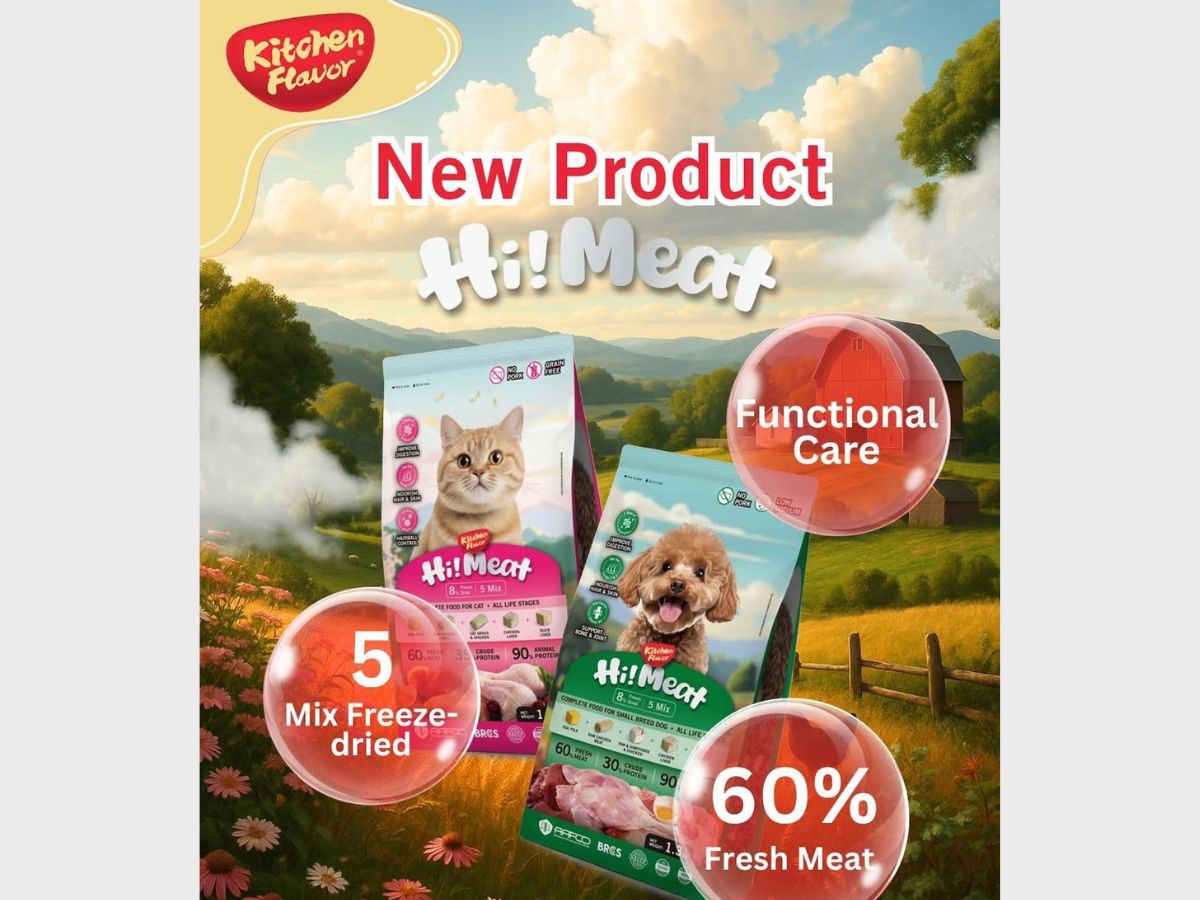
For pets that thrive on a high-protein diet, Kitchen Flavor Hi!Meat is a great choice. Formulated with a high content of animal-based protein, it’s designed to support muscle strength, energy, and overall vitality — especially for young, active dogs and cats. Whether it’s tender meat chunks or rich, meaty kibbles, Hi!Meat offers not just flavor, but real nutritional power. It’s a protein-packed option that helps fuel your pet’s daily adventures while supporting their health from the inside out.
Dental disease is one of the most common health issues in both dogs and cats — yet it often goes unnoticed until it becomes painful or serious. Understanding the most common oral problems helps you catch them early and prevent bigger complications down the road.
1. Plaque & Tartar Buildup
This is the starting point for most dental issues. When food particles and bacteria mix, they form a sticky layer called plaque. If not removed, plaque hardens into tartar, which irritates the gums and causes inflammation. You might notice yellow or brown stains on your pet’s teeth — a clear sign it’s time for a cleaning.
2. Gingivitis & Periodontal Disease
As tartar builds up, it can lead to gingivitis, which causes red, swollen gums. If ignored, this can develop into periodontal disease, a deeper infection that damages the tissues and bones supporting the teeth. Symptoms include bleeding gums, bad breath, and even loose or missing teeth.
3. Tooth Resorption (Especially in Cats)
This painful condition affects over half of all cats. It occurs when the tooth structure breaks down from within, often below the gumline. It’s hard to detect without a vet exam, but signs may include drooling, avoiding dry food, or sudden aggression when touched around the mouth.
4. Broken or Fractured Teeth
Chewing on hard toys or bones can cause teeth to chip or break, exposing the nerve. Dogs are especially prone to this if they’re strong chewers. Signs include reluctance to eat, sudden crying while chewing, or favoring one side of the mouth.
Tips to Prevent Dental Issues:
Brush regularly using pet-safe toothpaste.
Offer dental treats and vet-approved chews.
Schedule annual dental exams and cleanings.
Avoid hard bones or objects that can fracture teeth.
Pay attention to changes in eating habits or behavior.
Conclusion: A Little Prevention Goes a Long Way
Dental problems can be painful and costly — but with a proactive routine, most are totally preventable. Whether you have a picky cat or an enthusiastic chewer, consistent care keeps your pet’s mouth clean, fresh, and healthy.
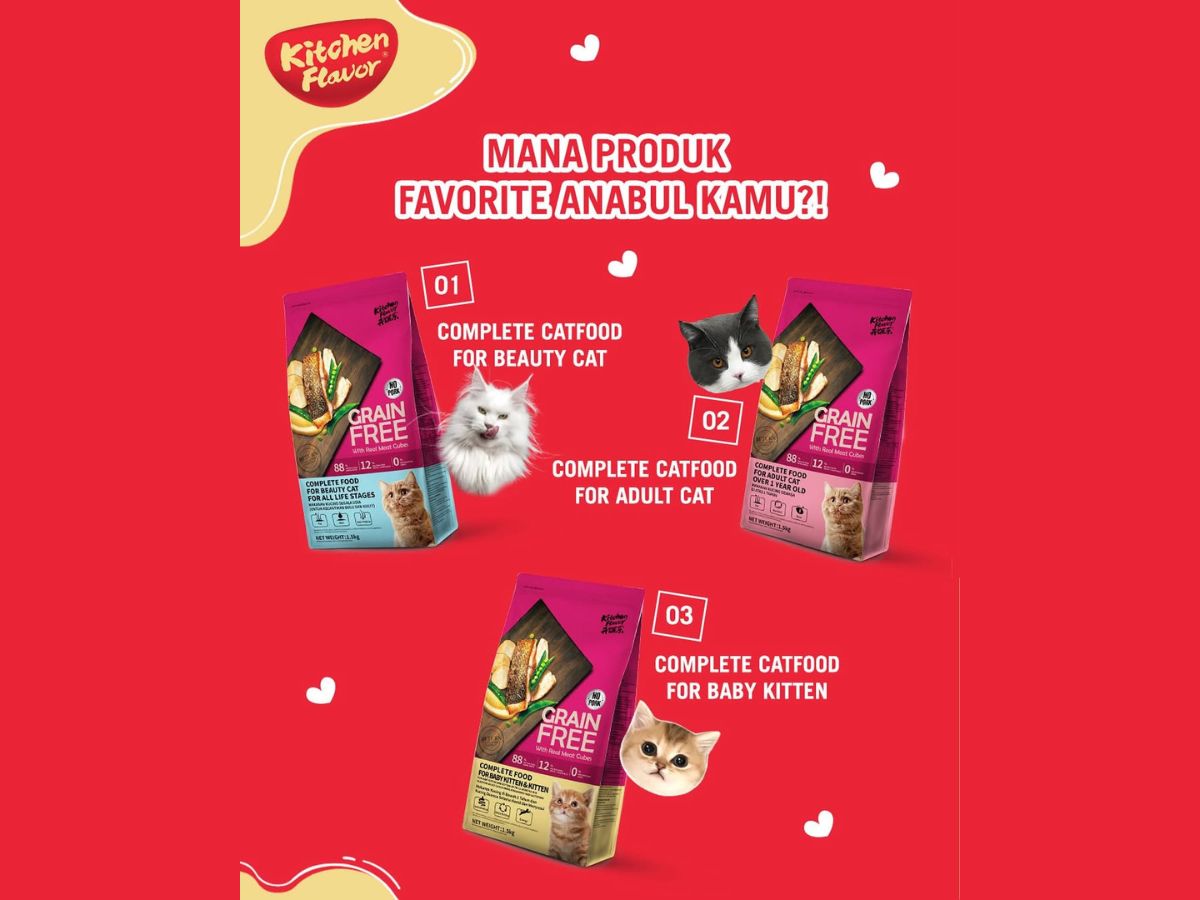
One simple way to support their dental health? Choose a kibble that does more than just fill their bowl. Kitchen Flavor Natural offers kibbles that are not only packed with natural goodness but also come in a larger size — helping to clean teeth through the natural chewing process. The crunchy texture aids in reducing plaque buildup, promoting fresher breath and a healthier mouth with every bite. A delicious, daily way to care for your pet’s smile.